
Understanding the Seasonal Climate and Visitor Flow
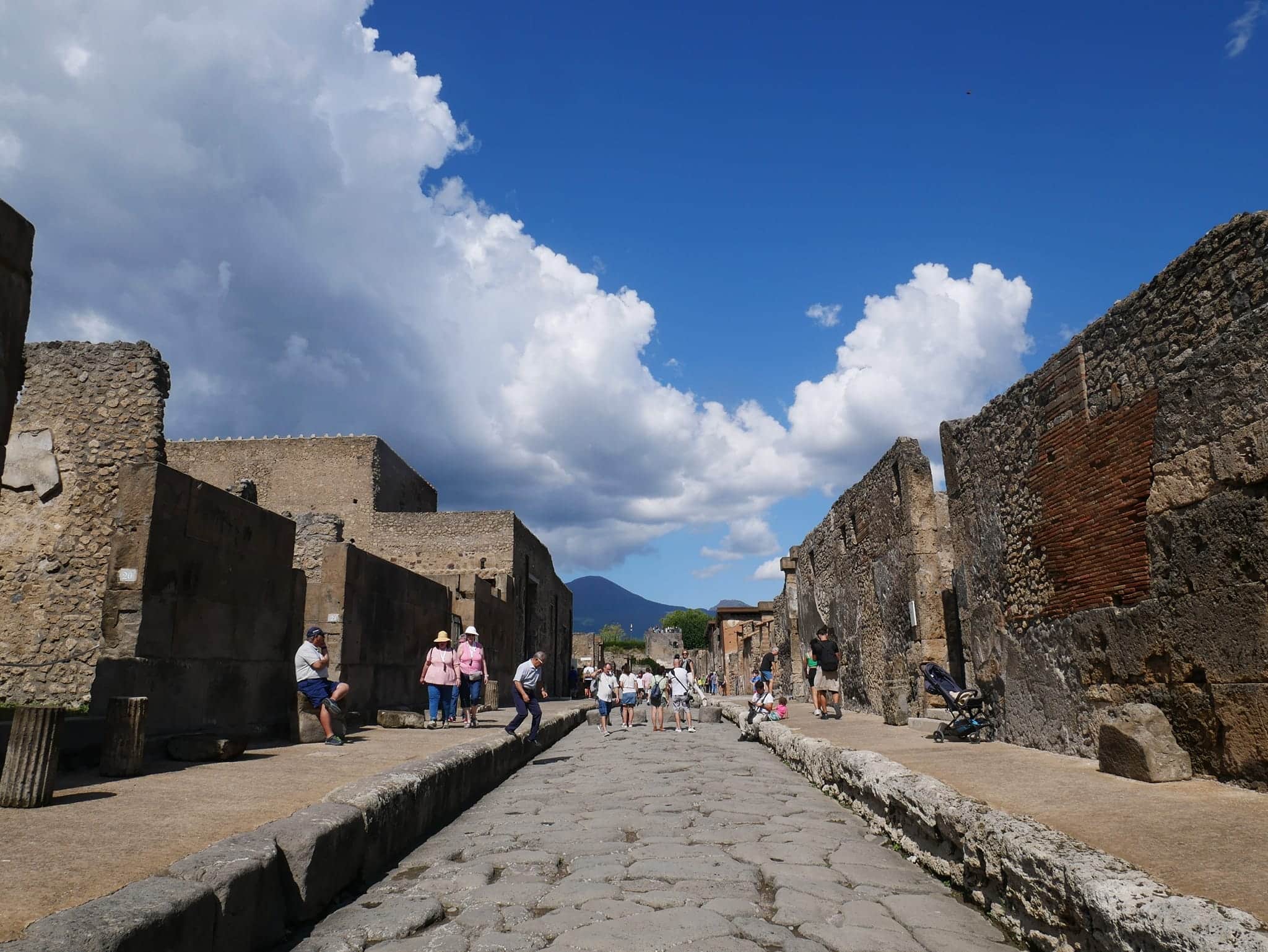
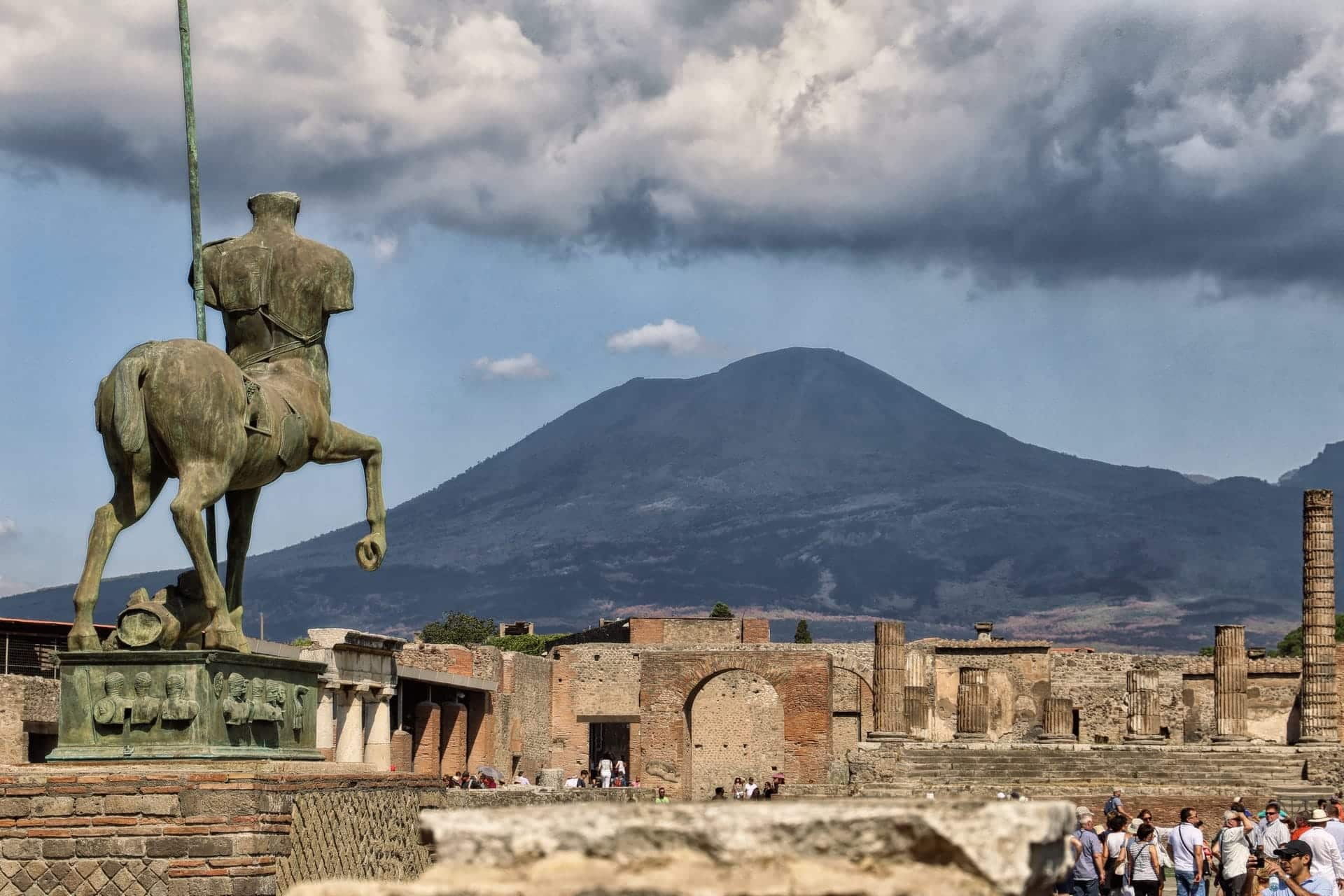
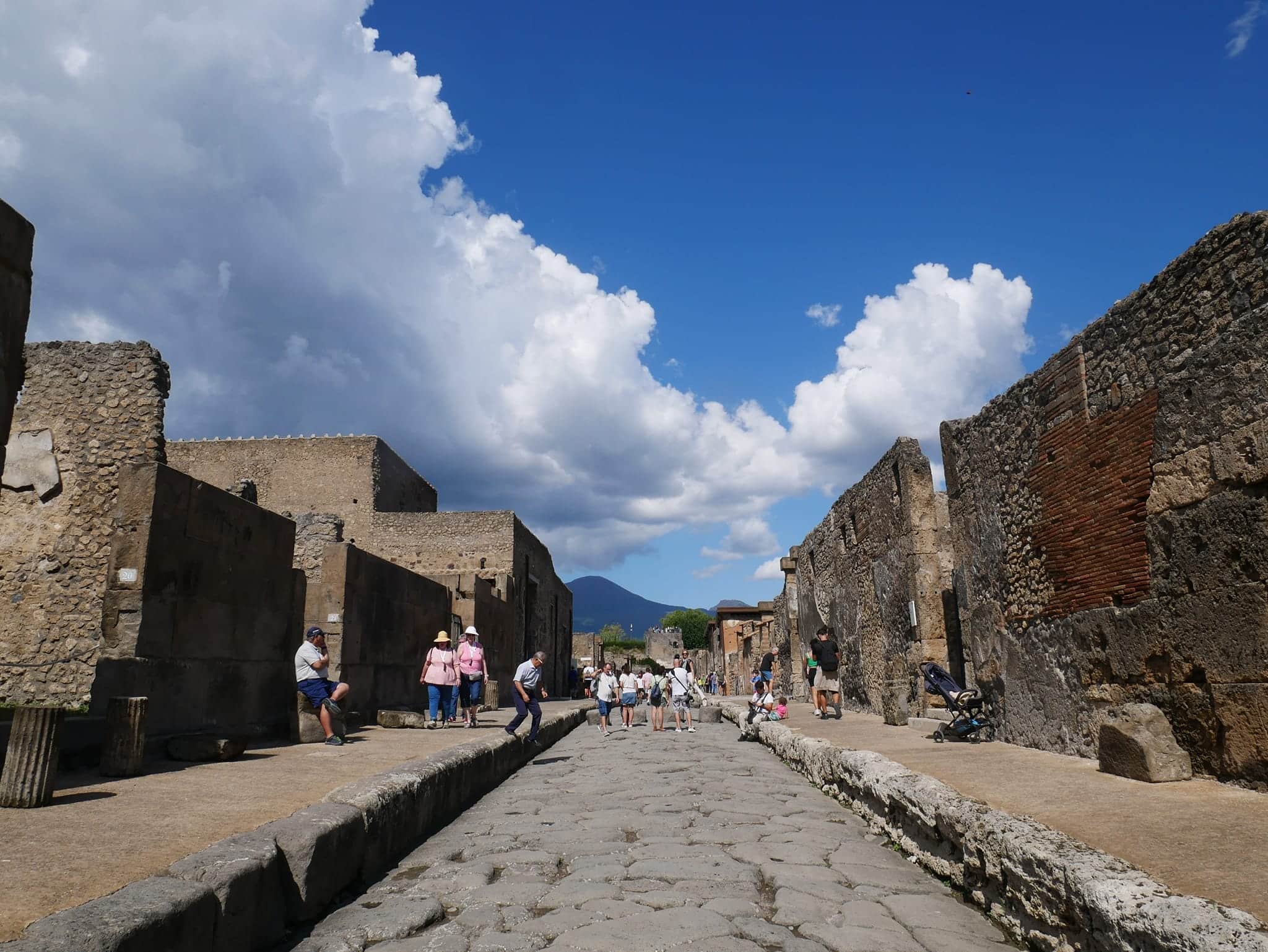
Visiting the archaeological park of Pompeii is an immersive outdoor experience across more than 150 acres of unearthed Roman city. Climate plays a decisive role in visitor comfort, particularly during peak summer months when Southern Italian sun radiates off ancient stone pavements. Mid-summer temperatures often exceed 35°C (95°F) with minimal shade available along the ancient cardines and decumani. Understanding seasonal weather patterns allows travelers to select timing that highlights the site's preservation rather than physical endurance.
The shoulder seasons of spring and early autumn represent the golden window for exploration. From April through May and late September through October, daytime temperatures average a comfortable 20°C to 24°C (68°F to 75°F). Crowds are visibly diminished compared to July and August, allowing visitors to appreciate the intricate frescoes of the House of the Vettii and the expansive Forum without long waiting lines outside key domus entrances.
Daily Timing Tactics: Morning vs. Late Afternoon Access
Daily visitor distribution follows a predictable pattern dictated by large tour buses and cruise line transit schedules. The highest density of crowds fills the ruins between 10:30 AM and 2:30 PM. To experience the ancient city with a sense of quiet reverence, entry should be coordinated precisely for the 8:30 AM opening or during the late afternoon period after 3:00 PM, when daytime excursion groups begin departing toward Naples and Sorrento.
Early morning entries offer pristine light for photography, cool morning air, and unimpeded access to high-traffic monuments such as the Suburban Baths and the Lupanar. Late afternoon visits reward travelers with gentle golden hour lighting across the ruins of the Basilica and lower ambient noise, providing an atmosphere far closer to the historic majesty of antiquity.
The Mechanics of Skip-the-Line Access and Entry Gates
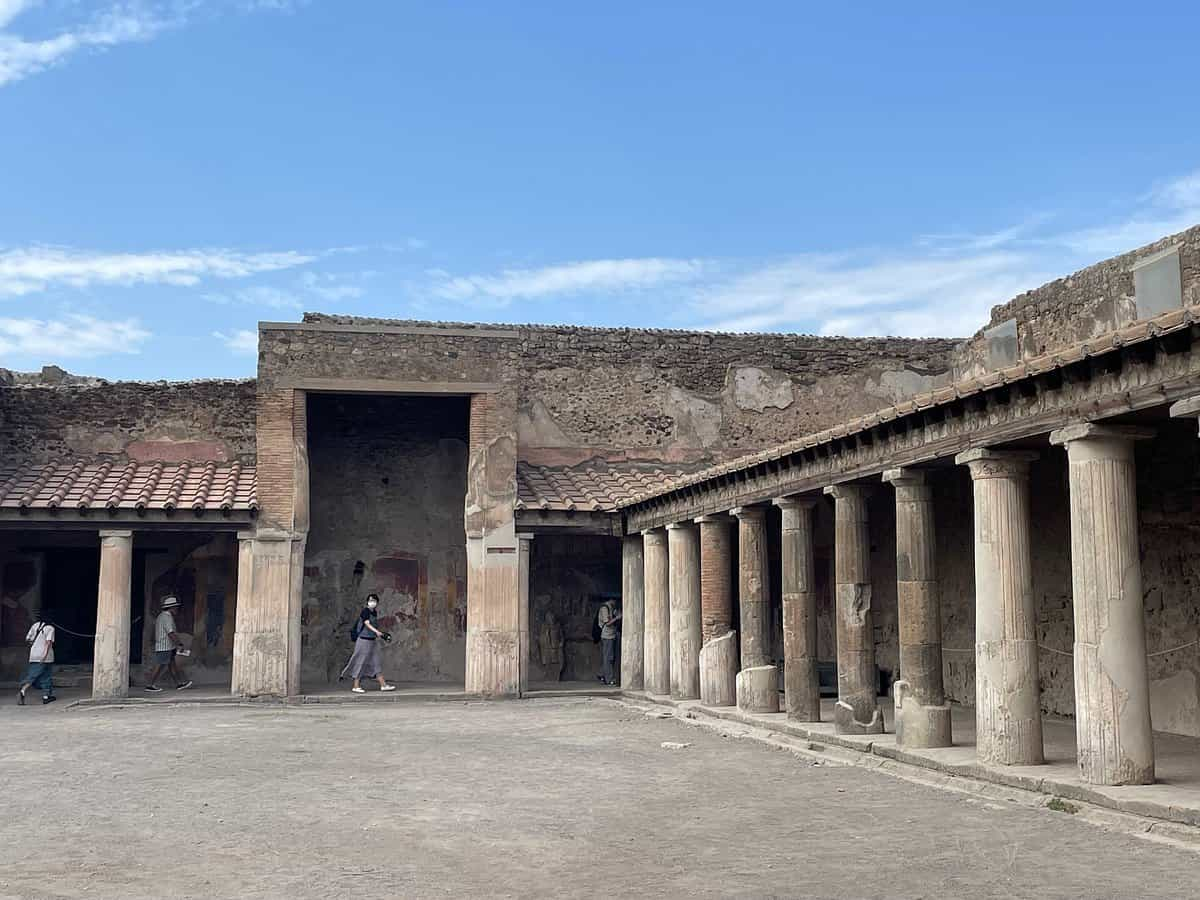
Pompeii features three primary entry points: Porta Marina Superiore, Piazza Esedra, and Piazza Anfiteatro. General admission queues at Porta Marina Superiore frequently stretch into hour-long waits during peak travel months. Utilizing reserved priority tickets allows immediate access through designated fast-track turnstiles, bypassing line buildup entirely and preserving valuable site time for guided exploration.
Entering via Piazza Anfiteatro provides a tactical advantage for those seeking immediate access to the Gladiators' Barracks and the Large Amphitheater before sweeping inward toward the city center. Coordinating entry gates with a pre-arranged archaeological itinerary ensures a fluid journey across ancient basalt paving stones without unnecessary backtracking.
Essential On-Site Logistics for an Effortless Visit
Proper physical preparation significantly impacts the quality of an archaeological tour. Pompeii’s streets retain original Roman basalt stones, deep chariot ruts, and raised pedestrian stepping stones, requiring sturdy, flat walking shoes rather than open sandals. Carry a refillable water bottle, as functional Roman-style drinking fountains (nasoni) providing cold municipal water are situated throughout the park.
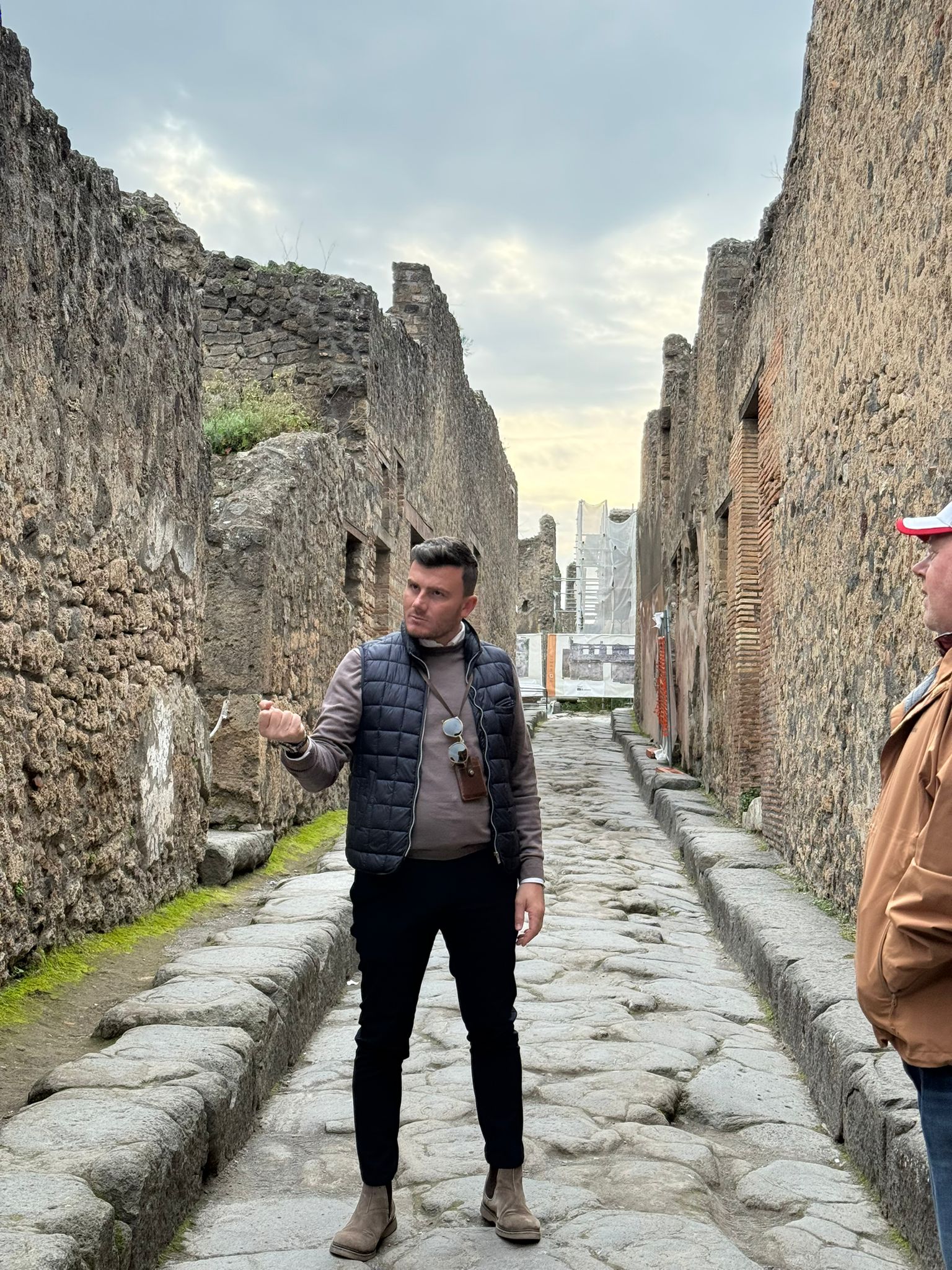
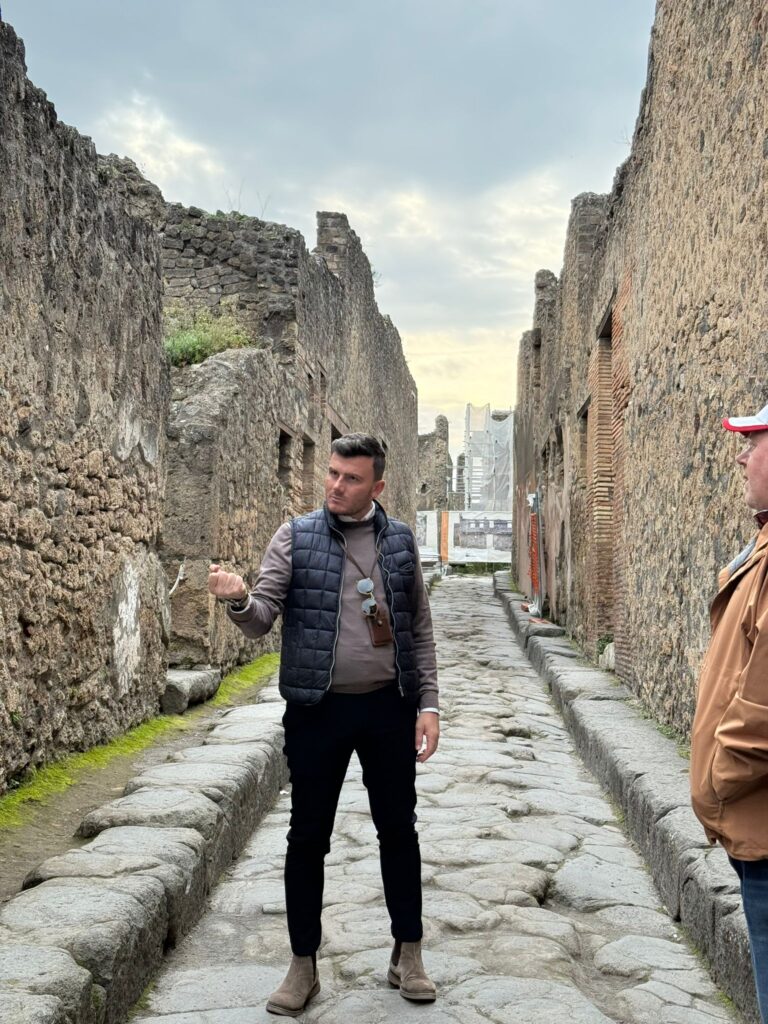
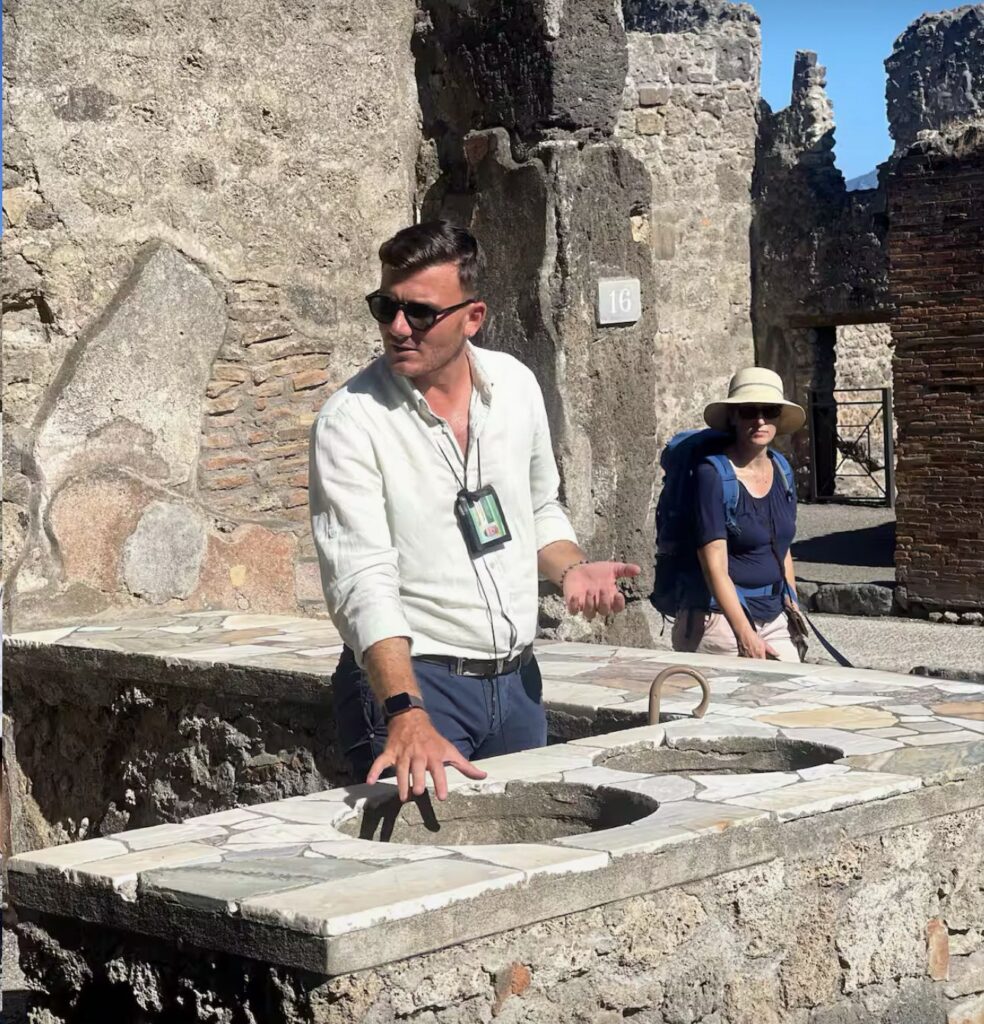
Pairing strategic timing with an expert local archaeologist unlocks context that static display plaques cannot deliver. Professional guides know which newly excavated domus are open on specific days, navigating around active conservation work while delivering authoritative historical framing of Roman daily life, governance, and the tragedy of 79 AD.