
Differing Volcanic Destruction Dynamics and Preservation
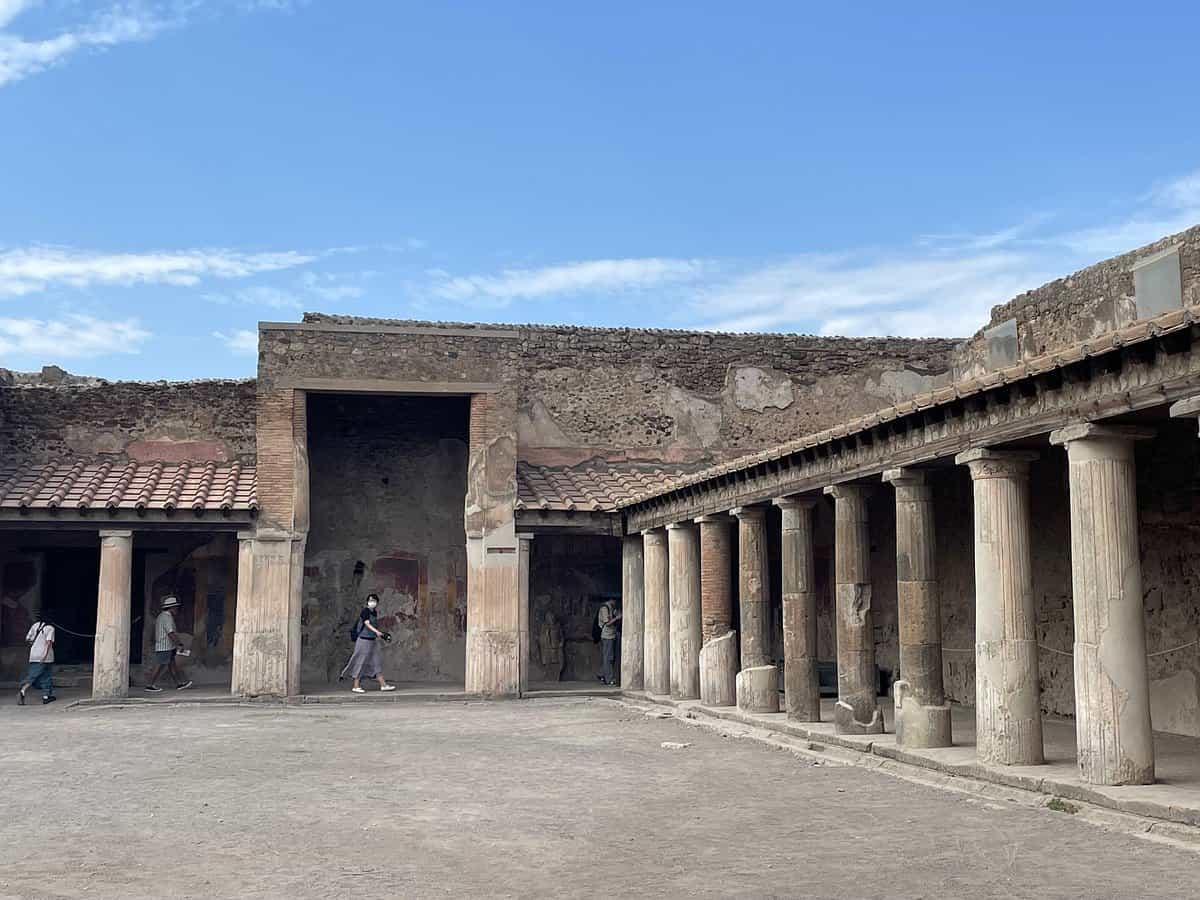
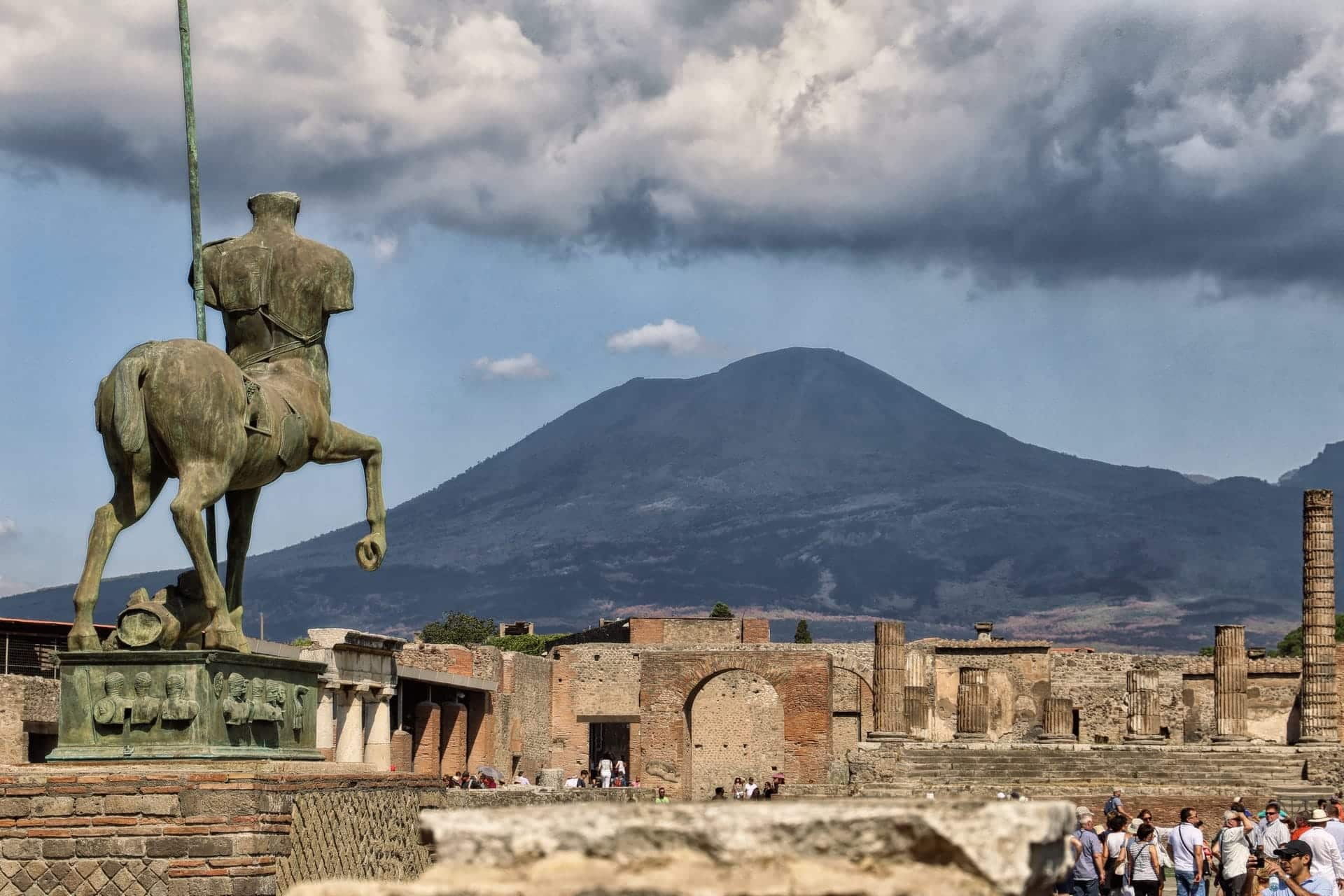
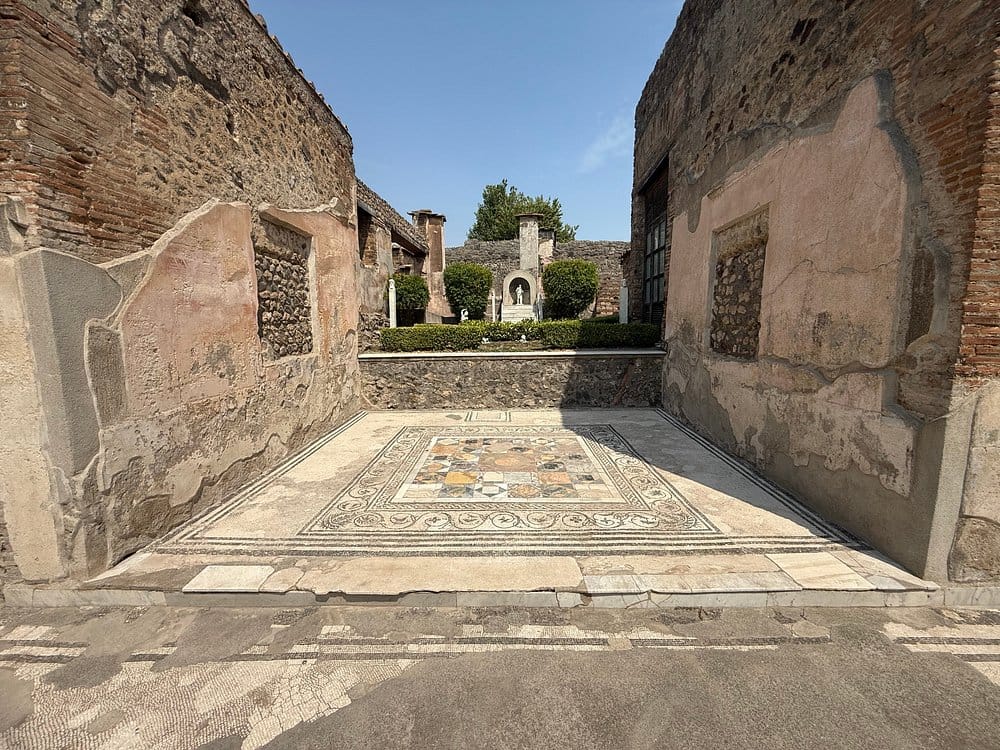
Though destroyed by Mount Vesuvius during the same catastrophic event in 79 AD, Pompeii and Herculaneum experienced vastly different physical burial processes due to wind patterns and geographic positioning. Pompeii was bombarded by heavy pumice stone (lapilli) and volcanic ash over many hours, causing roofs to collapse under immense weight while preserving ground-floor walls and overall floor plans across a wide urban landscape.
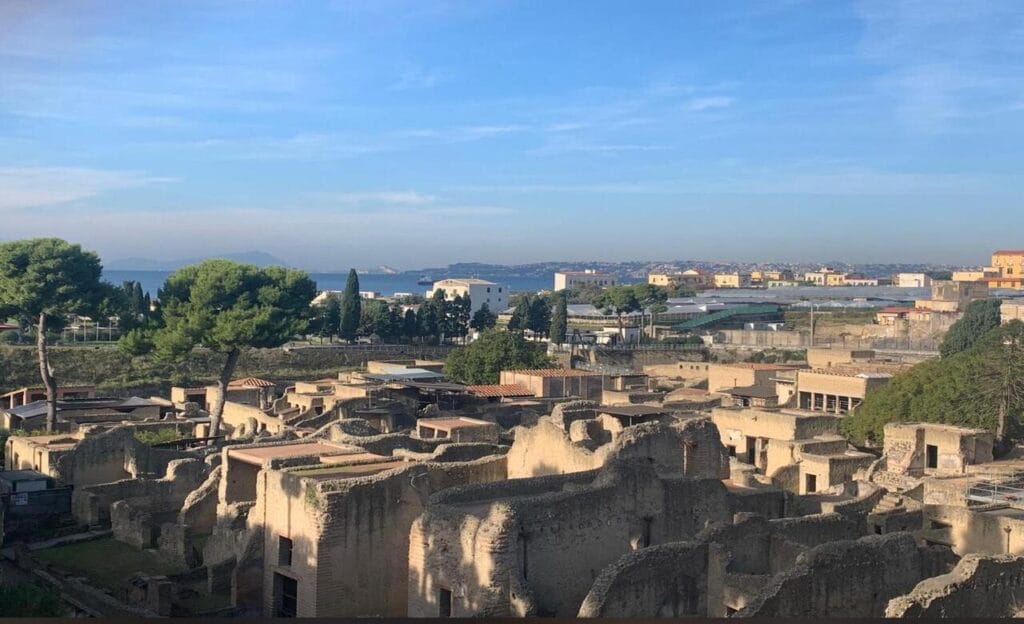
Conversely, Herculaneum was inundated by rapid, scorching pyroclastic surges—superheated flows of gas and volcanic material reaching speeds over 100 km/h. This extreme environment carbonized organic materials instantly while sealing the city in a dense protective shell of volcanic tuff up to 20 meters deep. As a result, Herculaneum preserves structural wooden beams, upper-story rooms, woven textiles, carbonized bread, and intact wooden doors rarely found at Pompeii.
Scale, Urban Character, and Civic Organization
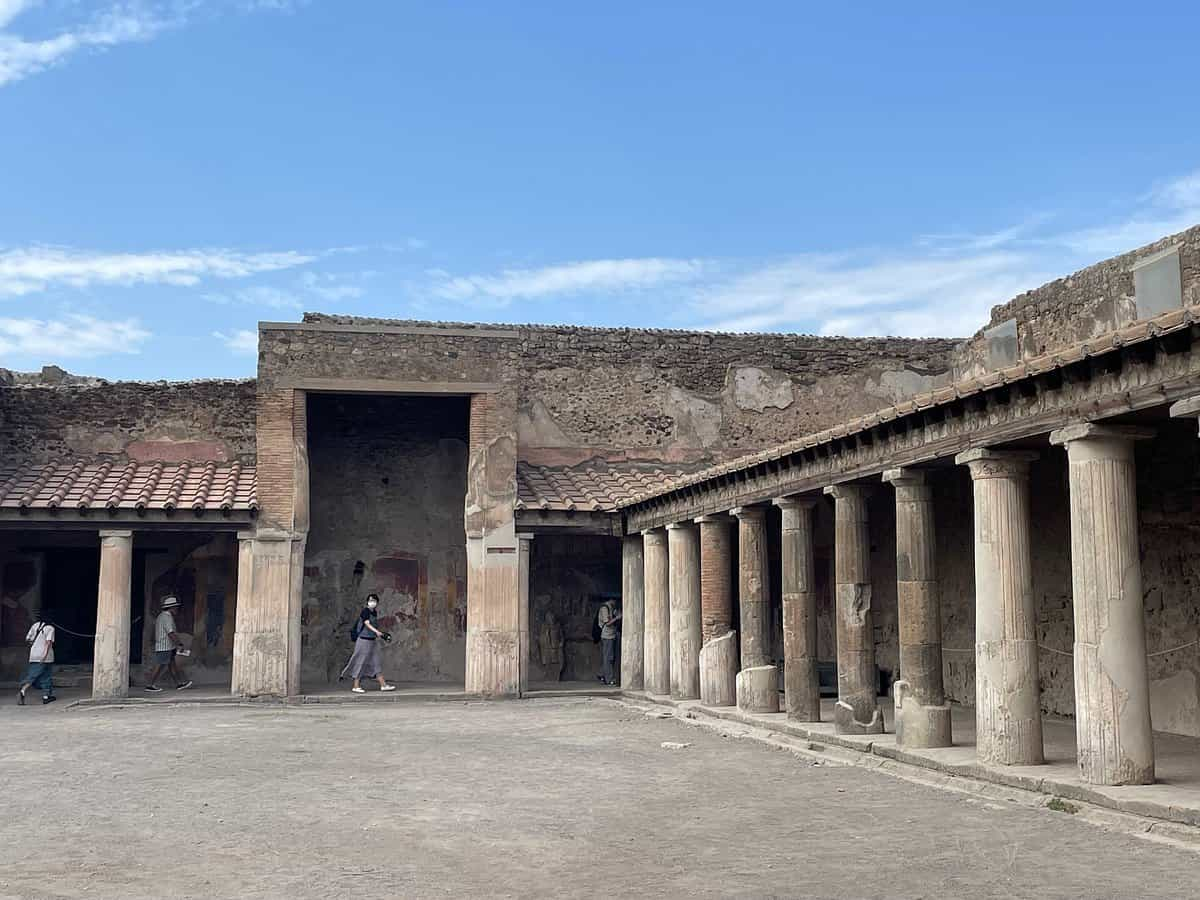
Pompeii was a bustling commercial port town of roughly 20,000 inhabitants, serving as an economic hub for the Sarno River valley. Its immense scale features impressive public infrastructure, including two theaters, an amphitheater, massive public bath complexes, three distinct forum areas, and hundreds of commercial shops. Walking Pompeii conveys the full breadth and vibrant energy of a sprawling Roman provincial city.
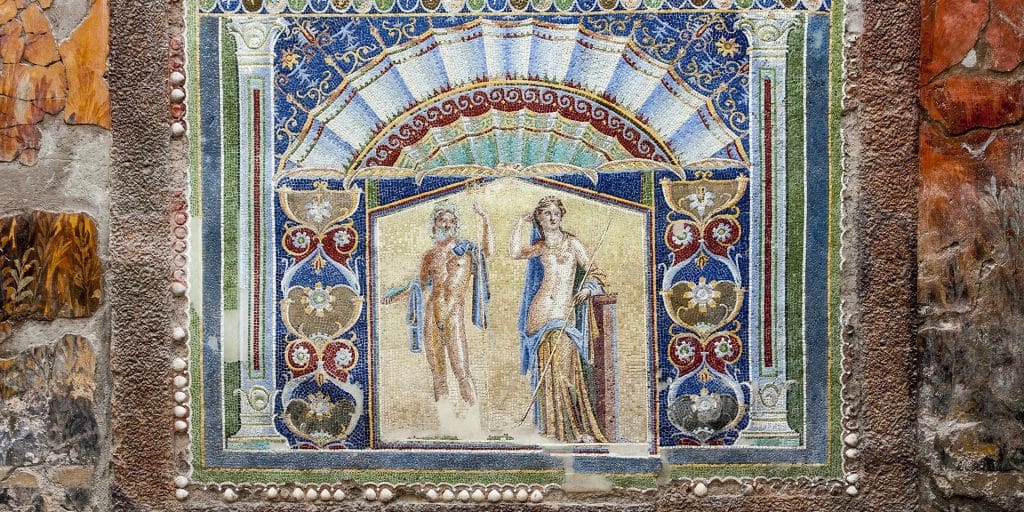
Herculaneum was an exclusive, wealthy seaside resort town of approximately 4,000 residents, tailored to aristocratic Roman families seeking coastal leisure. The architecture features lavish private villas overlooking the water, intricate mosaic pavements, and sophisticated internal plumbing systems. Its compact size allows visitors to examine residential life and architectural elegance in detail without walking long distances.
Physical Layout, Accessibility, and Visitor Comfort
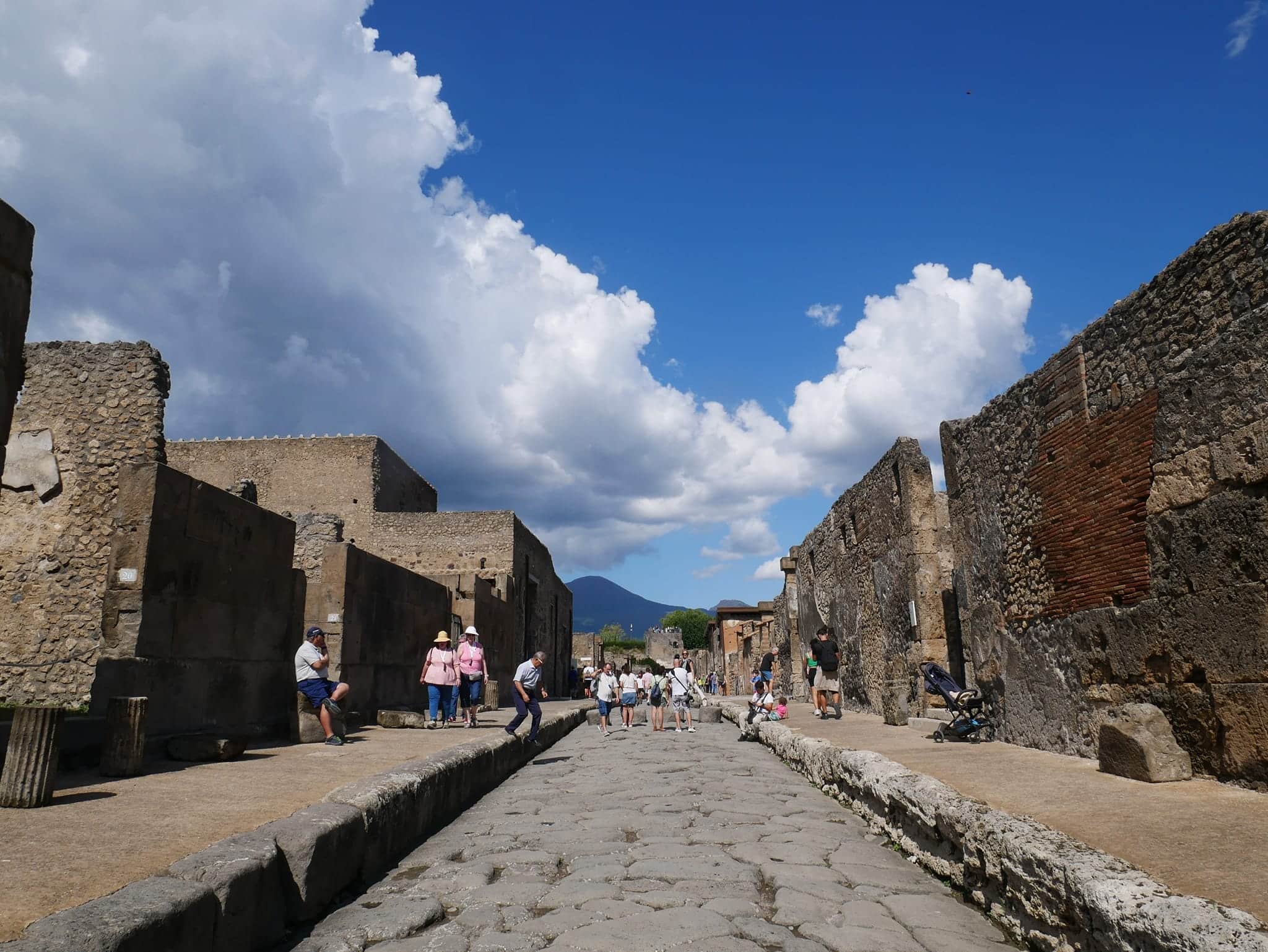
Navigating the two sites offers distinctly different physical experiences. Exploring Pompeii requires walking along rough basalt roads and covering considerable distances between major entry points and distant landmarks like the Villa of the Mysteries. The open layout provides little natural cover, making summer visits physically demanding without proper planning.
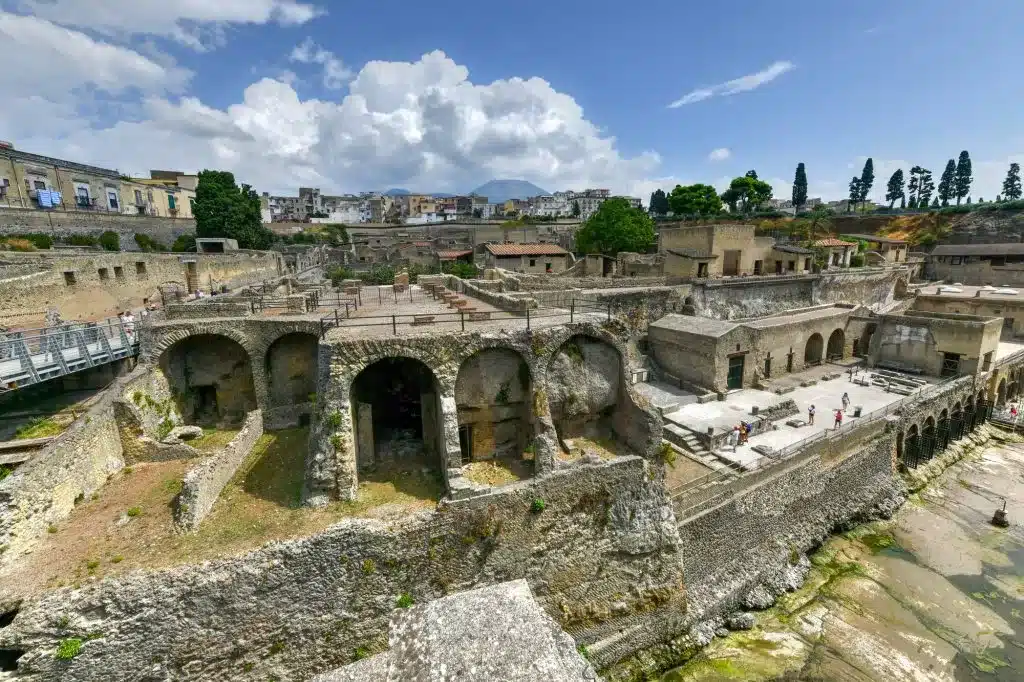
Herculaneum sits protected inside a sunken basin, shielded from coastal winds and offering a compact, walk-friendly grid layout. Smooth brick pathways and preserved second-story walkways make navigation straightforward. Visitors can thoroughly explore Herculaneum's highlights in about two to two-and-a-half hours, making it ideal for travelers with tight schedules or mobility considerations.
Making the Ideal Choice for Your Travel Itinerary
Choosing between Pompeii and Herculaneum comes down to personal travel priorities, time availability, and physical mobility. First-time visitors seeking iconic Roman monuments, expansive ancient streets, and famous cast displays will find Pompeii essential. It offers an unrivaled sense of ancient civic scale that remains unmatched anywhere in the Mediterranean.
Travelers who prefer detailed preservation, smaller crowds, and comfortable walking routes often favor Herculaneum. For true history enthusiasts, booking a dual private tour that links both sites offers the ultimate comparative experience—revealing how socio-economic differences and volcanic forces shaped two distinct windows into antiquity.