
Transforming Ancient History into an Interactive Adventure
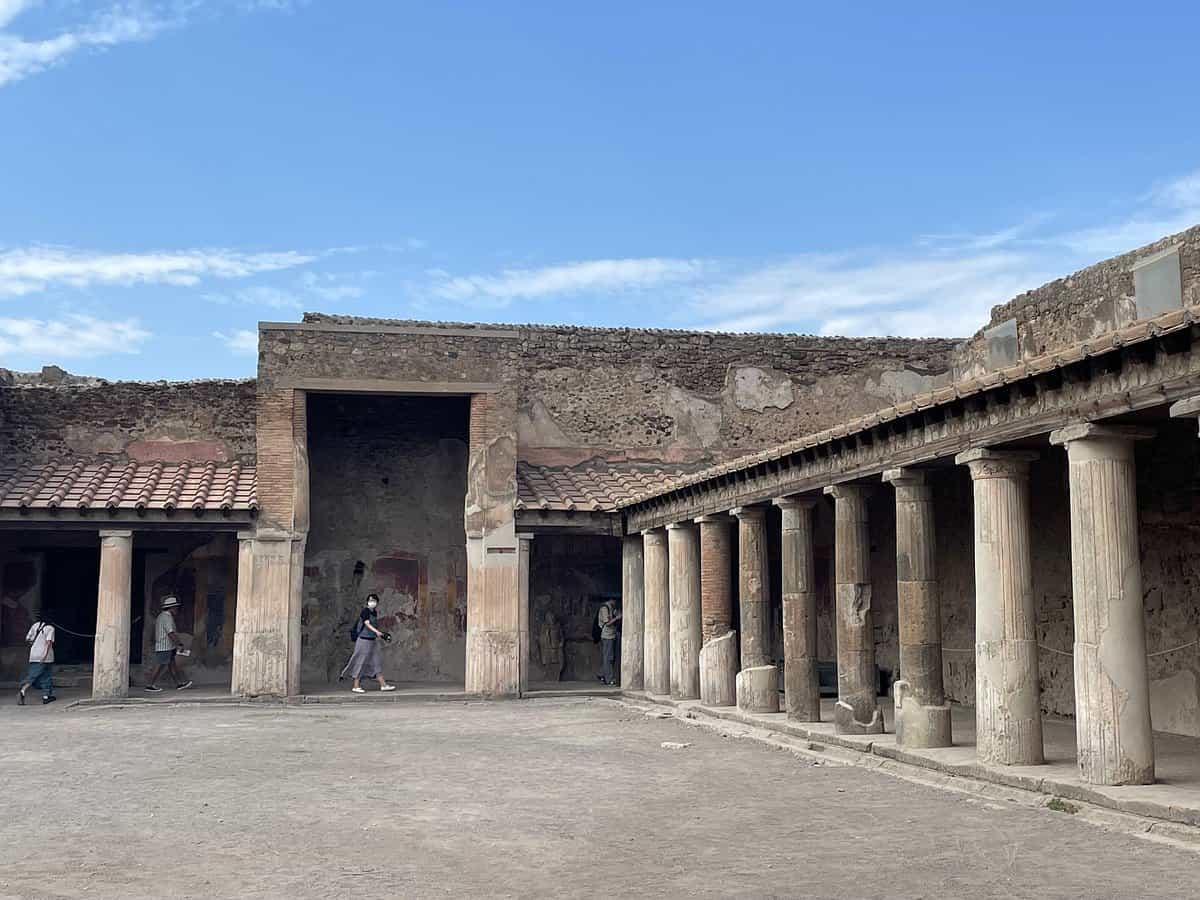
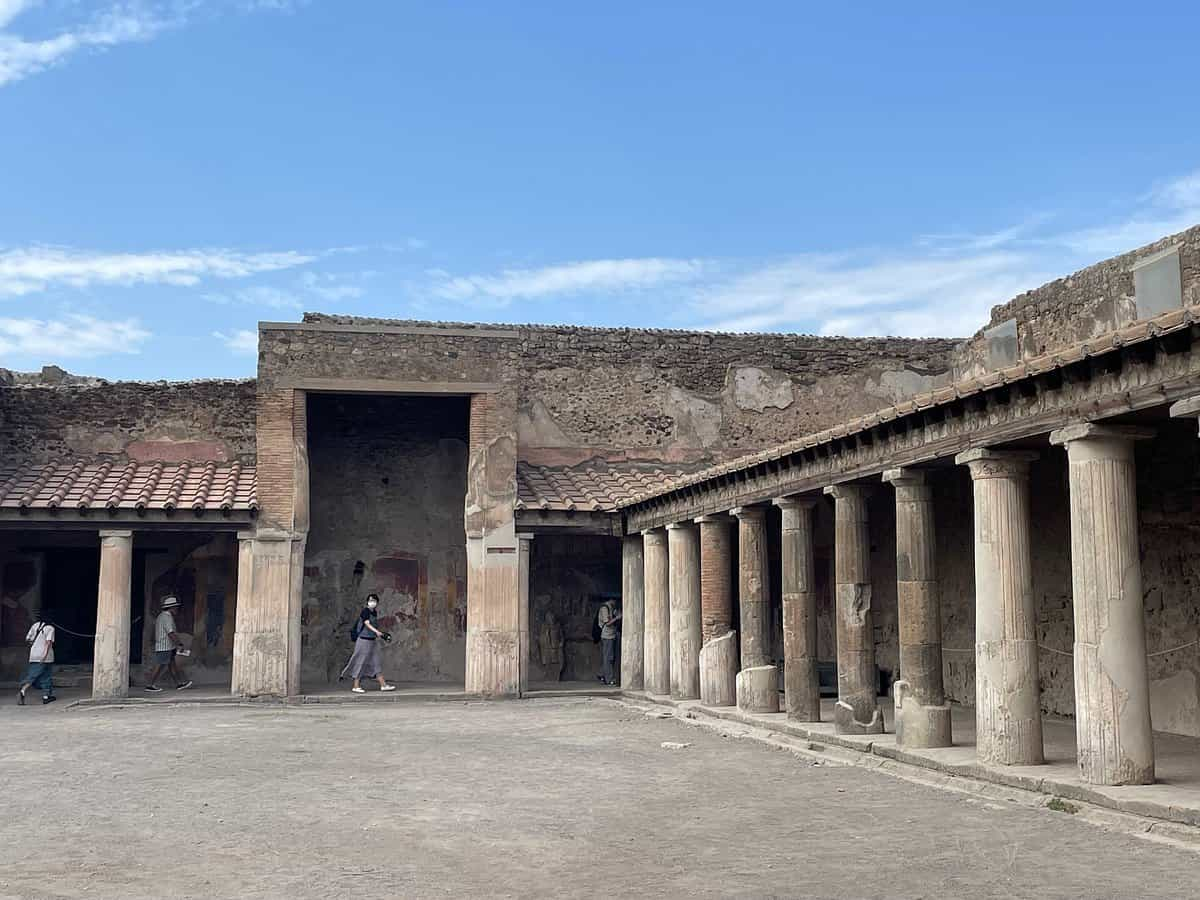
For young visitors, a large archaeological site can feel like a maze of stones without a clear story. Families can make the visit engaging by focusing on everyday Roman life: food counters called thermopolia, stepping stones across streets, and wheel ruts in the paving all offer details to look for together.
Try turning the walk into a simple observation game. Invite children to spot a mosaic pattern, a shop sign, or an oven opening in a public bath, and explain what each feature can tell us about life in the ancient city. These are ideas families can use on their own; no special tour or activity is required.
Navigating Terrain with Strollers and Young Children
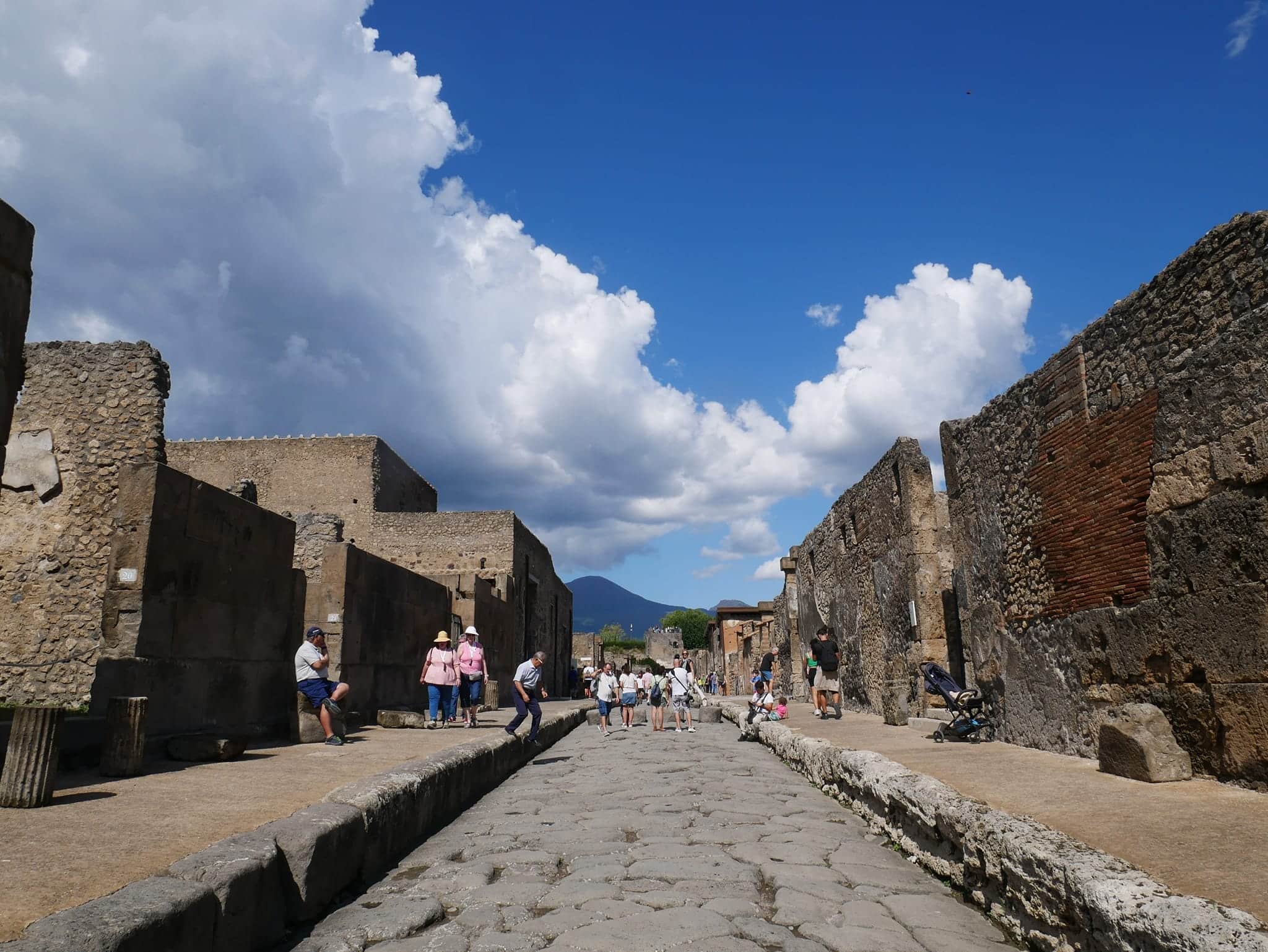
Pompeii’s historical authenticity means its streets retain original Roman construction. High basalt curbs, uneven stepping stones, and gravel pathways present major physical hurdles for standard baby strollers and pushchairs. While the park has introduced accessible paths under the 'Pompeii for All' initiative, these routes primarily cover central arteries and do not grant entry into many ancient homes.
For families traveling with toddlers or infants, using an ergonomic back or chest baby carrier is strongly recommended over a stroller. Parents traveling with older children should ensure footwear features cushioned, supportive soles, as stepping over raised stone crossings requires sure footings throughout the visit.
Pacing, Hydration, and Rest Strategies for Families
Pompeii is a large open-air site, so choose a realistic visit length for your children, the weather, and your family’s interests. Some families may prefer a shorter visit; there is no single duration that suits everyone. Pick a few priorities, check current visitor information, and leave room to change plans if children become tired.
Plan regular breaks in shaded areas where available, and bring water and suitable snacks in line with current site rules. Checking facilities and water-point information before you go can make it easier to plan a comfortable route.
Sensitivity and Age-Appropriate Content Handling
Pompeii preserves evidence of a sudden natural disaster, and some displays may raise difficult questions for younger visitors. Before the visit, consider what your children may see and prepare a calm, age-appropriate explanation focused on archaeology, preservation, and daily life in the Roman city.
Parents and caregivers can adapt the explanation to each child and choose which areas to visit. If a display feels upsetting, it is fine to pause or move on; the site offers many other ways to explore Roman engineering, art, and everyday life.