
The Agricultural Legacy of Mount Vesuvius in Antiquity
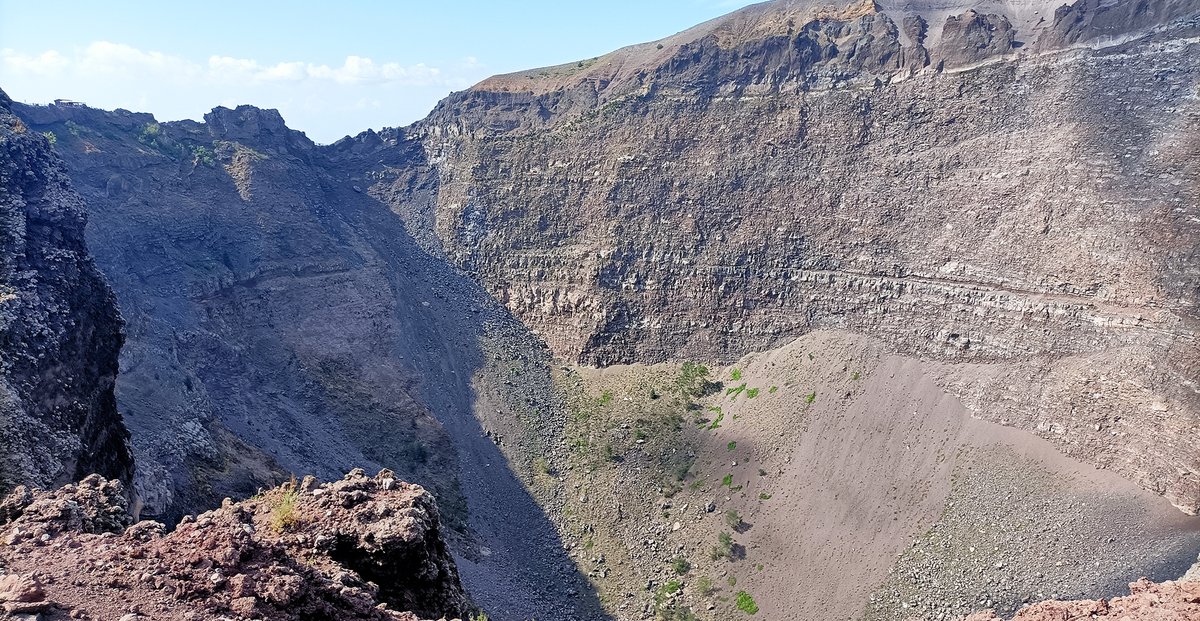
Long before Mount Vesuvius erupted in 79 AD, ancient writers like Pliny the Elder and Strabo celebrated the Vesuvius region as one of the most fertile agricultural areas in the Roman world. Mineral-rich volcanic soil, high in potassium, phosphorus, and trace elements, fostered exceptionally productive vineyards. Wine produced along these slopes—most notably Vesuvinum—was prized across the Mediterranean for its rich flavor and high alcohol content.
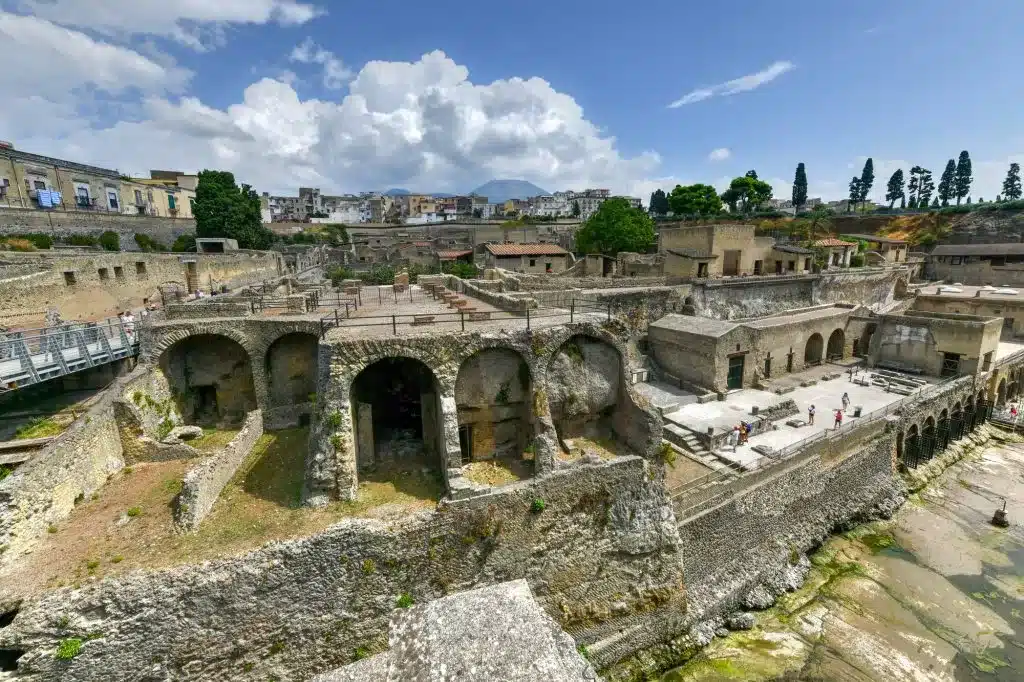
The eruption that buried Pompeii also preserved valuable agricultural evidence. Archaeologists plaster-cast root systems of ancient vines within urban vineyards (vinea) inside Pompeii's walls, such as the Vineyard of the Innkeeper. These discoveries show that Romans used sophisticated trellising systems, pruned carefully, and established dedicated pressing rooms (torcularia) right within urban estates.
Archaeological Clues to Ancient Wine Production and Consumption
Everyday wine culture was deeply woven into Roman life, across all social classes. In Pompeii, over 120 thermopolia and popinae (ancient bars and taverns) have been uncovered, featuring terracotta storage jars (dolia) embedded directly into stone service counters. These jars kept wine cool and ready for daily patrons, who enjoyed their drinks seasoned with honey, spices, or herbs according to ancient preference.
Amphorae—terracotta shipping jars—found throughout excavations feature hand-painted tituli picti (shipping labels) recording vintage years, vineyard origin, and producer names. These labels reveal a highly organized wine trade, shipping Campanian vintages directly from the port of Puteoli (modern Pozzuoli) to Rome and distant imperial provinces.

Bridging Past and Present: Modern Volcanic Viticulture
Today, winemakers on the slopes of Vesuvius preserve this deep heritage by cultivating ancient grape varieties descended directly from Roman stocks. Varietals such as Coda di Volpe, Verdeca, Piedirosso, and Sciascinoso thrive in ungrafted vines set in rich volcanic soil, which naturally protects against agricultural pests like phylloxera.
The flagship wine of this terroir is Lacryma Christi del Vesuvio DOC (Tears of Christ), produced in red, white, and rosé styles. White Lacryma Christi, crafted primarily from Coda di Volpe and Verdeca grapes, features complex minerality, bright acidity, and ripe stone-fruit aromas that mirror descriptions recorded in ancient Latin texts.
The Vineyard Experience: Tasting History on the Slopes
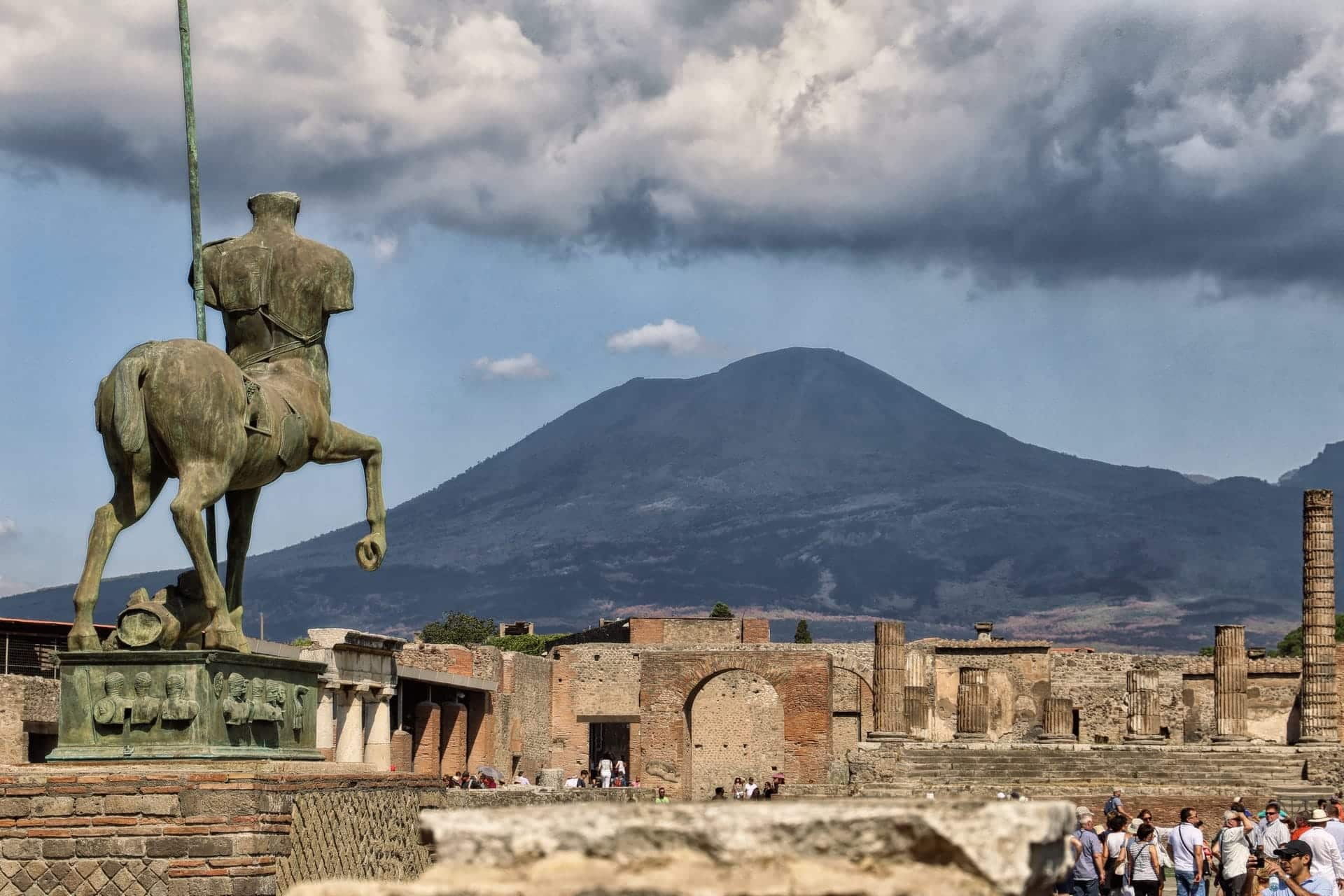
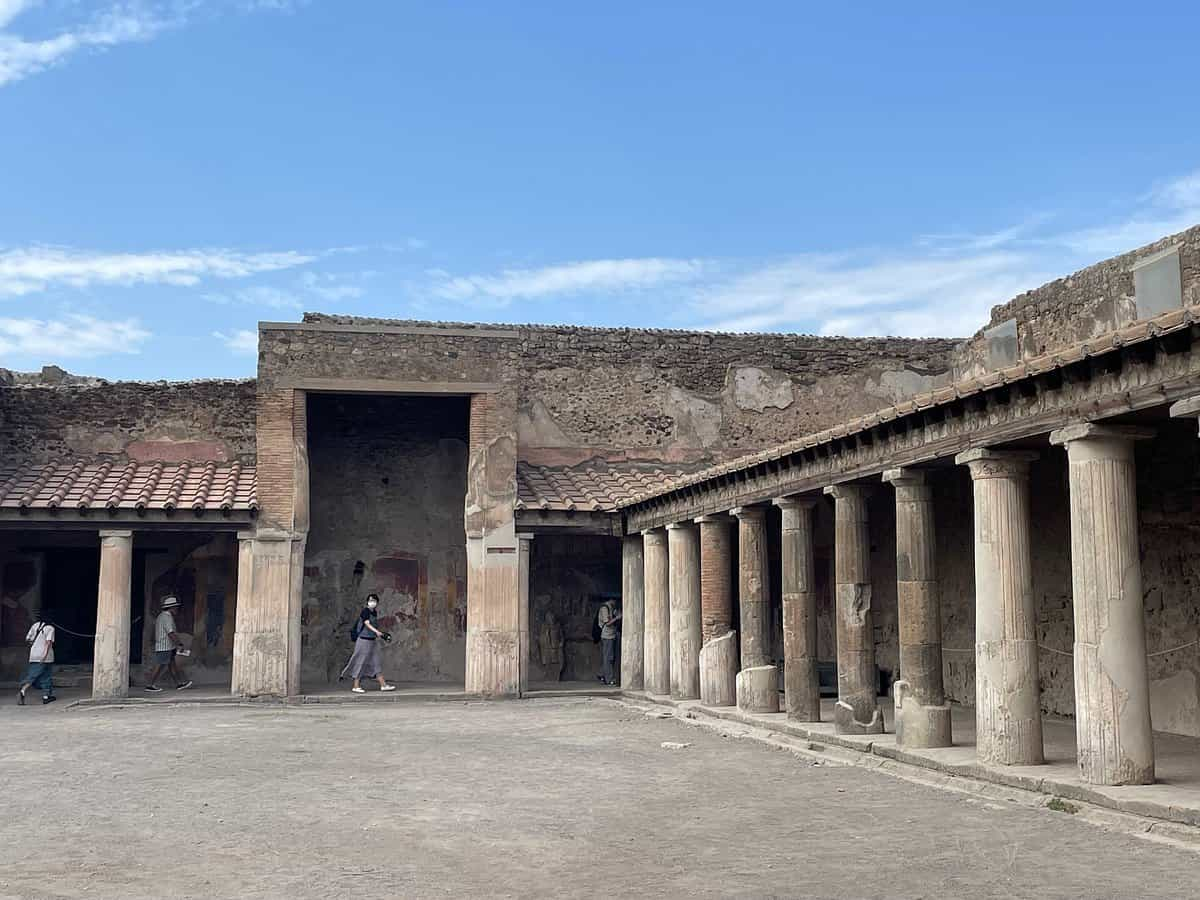
Pairing a morning walk through Pompeii’s ruins with an afternoon vineyard visit provides a complete cultural and sensory experience. Private tours transport guests up the fertile lower slopes of Mount Vesuvius to family-owned organic wine estates. Here, guests can walk through vineyards growing alongside ancient lava flows while enjoying panoramic views across the Gulf of Naples.
A guided tasting lunch features estate-grown wines served alongside authentic regional dishes—such as artisanal cheeses, cured meats, warm wood-fired bread drizzled with volcanic olive oil, and homemade pasta. This experience connects ancient history directly to modern Campanian hospitality, offering an unforgettable taste of history.